Philosophy
Design Philosophy
A leader's philosophy shapes how they approach problems, build teams, and drive outcomes. These principles guide my work as a design leader and inform how I approach product challenges, team development, and organizational growth.
Generalism as a Strength
Broad-ranging interests and cross-disciplinary experience lead to better design decisions and more resilient teams. I actively encourage continuous learning and curiosity across my organization—whether that's understanding data analytics, engineering constraints, business metrics, or emerging tools. This culture of exploration helps us see patterns others miss and unlocks innovation at the intersection of disciplines.
Data-Informed, Not Data-Driven
I believe in using research, analytics, and behavioral data to inform decisions—but data is a compass, not a command. With two decades of experience, I've earned the judgment to know when to move fast on instinct and when to dig deeper into the numbers. The best outcomes come from balancing empirical evidence with seasoned intuition and creative confidence.
Force Multiplier, Not Gatekeeper
My role is to help my team grow, mature, and succeed—not to be the blocker standing between ideas and execution. I measure my effectiveness not by the work I ship personally, but by the capabilities I build in others and the progress we enable together. Removing friction and accelerating our collective velocity is a leadership priority.
Iteration Over Perfection
Perfect is the enemy of good. I'm committed to continuous improvement through learning, research, and incremental refinement rather than waiting for an ideal state that may never arrive. This mindset allows us to ship, gather feedback, and evolve—all while staying focused on measurable progress and never settling for the status quo.
Radical Transparency & Radical Candor
My door is always open, and I lead with candid transparency. I invite honest feedback in all forms because I can't improve what I don't see. I expect the same from my team—openness, directness, and a shared commitment to making each other better. Psychological safety and trust are the foundation of high-performing organizations.
Craft Excellence with Purpose
Design is a craft, and craftsmanship matters. I value quality and thoughtfulness over speed in most cases, and I believe we should take inspiration from the world around us and continuously raise our standards. Excellence isn't about perfection—it's about intention, care, and a relentless commitment to improvement in service of user outcomes.
Reading List
Books that shaped my thinking
The books that have had the most influence on how I lead, design, and think about problems.
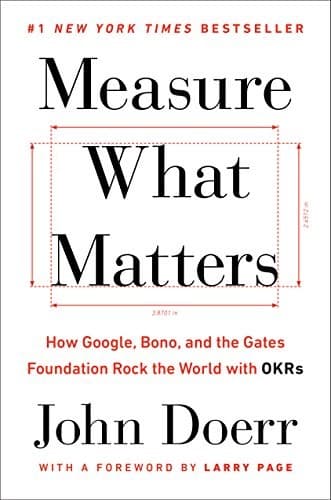
Measure What Matters
John Doerr
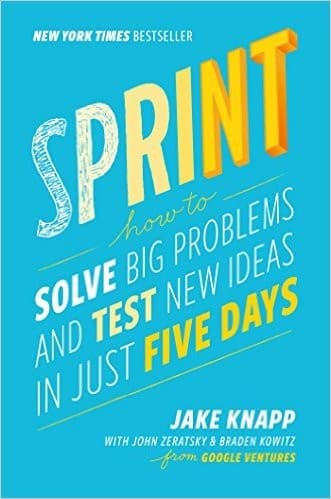
Sprint
Jake Knapp
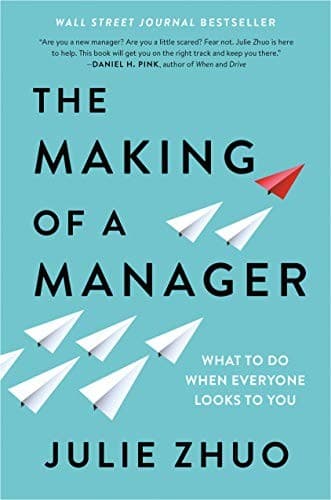
The Making of a Manager
Julie Zhuo
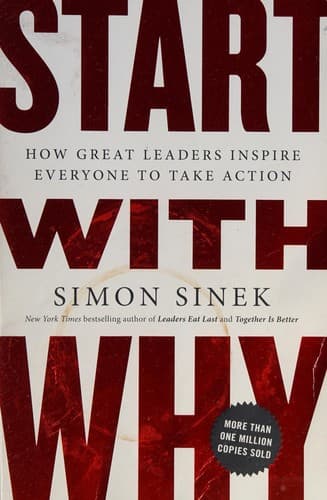
Start With Why
Simon Sinek
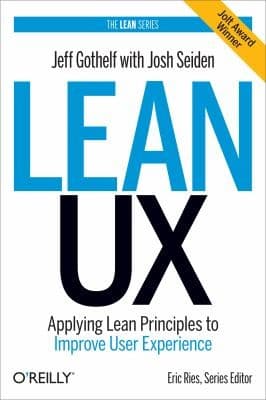
Lean UX
Jeff Gothelf

Range
David Epstein